
Fixed Rooflights: the modern solution to brighten your living space today
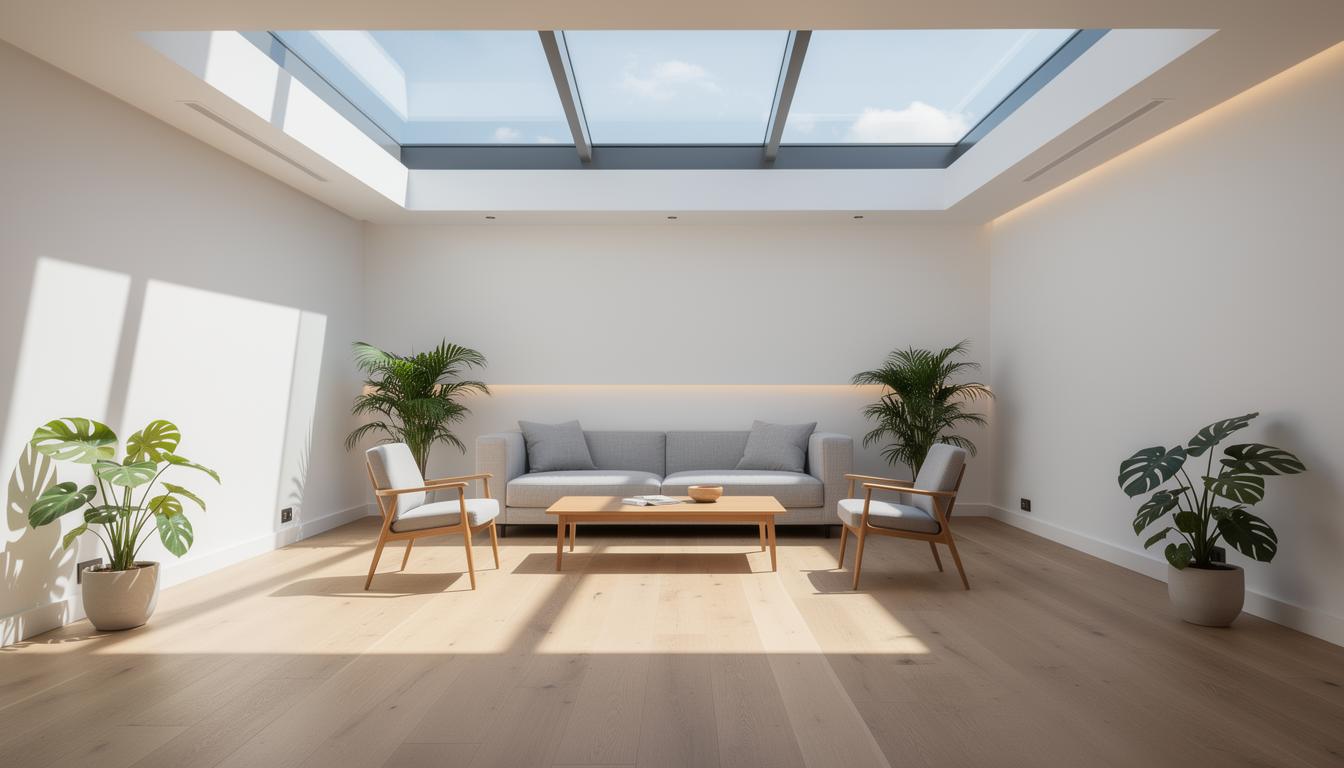
Heat never stays in the shadows when modern glass takes the scene. Fixed skylights fill the kitchen, erase gloom from corners, shimmer atop forgotten paintings, drizzle color over dusty countertops. Step across a hallway expecting shade and watch the entire sky slip overhead, not darkness. A living room morphs into a stage, sunlight finds every forgotten spot. In 2026, houses stretch for light, not for passing looks or passing trends. That's how daylight shapes the story, how the fixed skylight carves out a mood, not simply a view. Want more than a rectangle on the wall? Ready for rooms that pulse with true energy, every minute twisting with sunlight? Take the plunge—this isn't just glazing, it's an inside out revolution.
A voir aussi : What Are the Best Practices for Incorporating EdTech in UK’s Classrooms?
The Modern Role of Fixed Skylights in Contemporary Interiors
Nothing flatters a room more than what the ceiling stops hiding. Roof windows designed to stay shut anchor firmly overhead, never calling for a draft, just gifting daylight, not the chatter of traffic or wind. The shape—slim, always close to flush, sometimes invisible from outside—serves architects with a craving for chic lines, not fuss. One doesn't just notice the simplicity, but the effect thunders underneath. Glazing, double or even triple, halts heat loss—choose toughened or laminated glass, and worry less about falls or flying balls. No hinge disrupts, no handle juts, only a surface nearly merging with sky, bare of clutter. Explore Fixed Rooflights to Enhance Natural Light for detailed specifications and installation options.
A voir aussi : Book now your luxury chauffeured service in geneva effortlessly
The Attributes and Options of Fixed Skylights
Who enjoys a stream of advantages when sunlight pours in? Architects enumerate: integrated UV stops floors fading, frosted sheets hide without blocking glow, solar-filtered finishes bounce excess warmth away from oak tables and deep sofas. All the details sharpen effect and efficiency, the right window defending against street noise, downpours, summer rays. The National House Building Council supports robust glass, layers for insulation, edges that avoid the trap of water. A room equipped with such a roof window rarely suffers drafts, shrinking energy waste to a minimum.
A quick comparison for the detail-hungry reader, not just another list:
| Feature | Details | Visual |
|---|---|---|
| Design | Slim fixed glazing set flush to roof | Discreet from street view |
| Glass Type | Toughened laminated UV privacy | Choice suits need security or sun |
| Structure | Set for flat or pitched roofs sealed perimeter | Low profile no handles |
| Energy Efficiency | Double or triple glazing thermal breaks | Warm in winter cool in summer |
The Role of Natural Daylight at Home
Who turns down a surge of natural light? The answer remains obvious: no one. Trade overhead bulbs for a sunrise that pours across a breakfast nook; no meter can measure that mood. The Building Research Establishment pushes data toward the same finish line: focus deepens, health ticks up, happy hormones fill rooms where daylight rides high. Windows perched on a roof cut the gloom, awaken play areas, pour productivity into home studios, and make even the smallest lounge pump with life. Let others count pennies, some spot pounds shaved off bills in homes where the electric switch never flicks before sunset. Isn't that proof enough that natural light truly shapes wellbeing and wallet alike?
The Main Perks of Rigid Roof Windows
Suddenly nothing crowds a room more than a flat white ceiling. Watch sunlight creasing through glass along a hallway: shadows vanish, boundaries soften. Nobody mistakes a room for what it was, the moment a roof window appears—a cramped bathroom, no more. Architects don't just stretch walls, they let the sky tumble in and frame a soaking tub or show off a jungle of hanging plants. Visitors tend to linger where patches of sunlight stay moving, children read in spots once overlooked, and friends gather beneath a square of sky instead of a string of LEDs. Every view gets swept up in season, clouds drift, city lights flicker as the sun falls, and the room grows in depth. No ordinary window unfolds those moments.
The Visual and Usability Benefits Indoors
Who truly finds peace beneath a gloomy ceiling? Modern roof glazing brings clarity, creates rooms that breathe with the seasons, and gifts each corner fresh intrigue. The kitchen expands, the bath transforms, the reading corner shifts to prime real estate just because a square of glass perches overhead. Designers use this effect to shape focus, highlight color, provoke pause—it's more than just a utility. Plain glass disappears from view, letting weather and cityscapes take center stage. A friend remarks once, "First rain after the skylight went in, thought the whole place splashed. But nothing inside—just the sound, just the view."
- Rooms stretch visually when skylights pierce the roof
- Energy falls—electric bills and artificial lighting fade into background
- Health thrives where sunlight rolls in, lifting mood and sharpening focus
The Energy Savings and Greener Touch
Energy planets collide in the 2026 housing market. Data from estate agencies and Energy Performance Certificates unfurl clear results: rooflights mean lighter bills, smarter comfort. The latest figures? Up to 8 percent to 11 percent lower cost for lighting when compared with regular casements. In winter, double or triple panes refuse to leak warmth, shrinking thermostat use and trapping comfort when needed most. In summer, the rooms stay cooler, sunlight enters, but rays never spike the temperature. Now, glimpse the numbers:
| Window Type | Average U-Value (W/m²·K) | Estimated Savings per Year |
|---|---|---|
| Traditional Casement | 1.6 | £110 |
| Fixed Skylight (Double) | 1.1 | £140 |
| Fixed Skylight (Triple) | 0.9 | £155 |
Thermal breaks, argon between panes, acoustic dampening—all those extras push modern skylights toward eco pride. Run lights less, leave a lighter carbon trace. Every watt saved ends up more time spent simply bathing in daylight—not bad for a feature that never even claims to open.
The Main Spaces for Skylight Installation
Forget attic clichés. Roof windows pop up everywhere now: kitchens, TV rooms, studios, corridors emptied of natural light. Converted garden offices demand a roof window to rescue early mornings, art studios revel in a flood of neutral daylight, bathrooms shed shadows, and even open office spaces find benefit where wall glass cannot reach. Commercial managers in Birmingham swear by the effect—meeting pods perk up, concentration climbs in zones once labeled as uninspiring. The reach expands: clinics, schools, showrooms, windowless receptions, everyone wants brightness where no one expected it.
The Styles and Variants of Roof Windows
So much for standard formats. Contemporary skylights flex: no frame at all for some, nearly invisible; tinted shades for scorching southern roofs; walk-over options crown terraces or garden walkways. Material divides spring up: Aluminum holds up to storms, timber adds warmth for period character, uPVC takes the budget—choose your mood, not just the cost. Clear sheets for views that stretch, frosted for bathrooms, solar for glazed lounges that need a harder defense against heat. Custom shapes fill quirky corners, while mass-market rectangles reduce the wait.
The variety intrigues even the dullest mind. Some scan the differences, dwell on aluminum versus timber against the wallet. Even a quick glance sorts the mood: swathes of clear glass for the living, rippled privacy for a personal touch, flat, square, or oddly rounded—why accept plain when the ceiling could spark curiosity?
The Installation Routines and Cautions for Roof Windows
Simplicity teases, but the process snaps back to precision. Professionals cut the roof after lasers measure every distance, stalking measurements found in British Standards BS 6375. Next, insulation snuggles tight, membranes rest, and specialist saws slice only as planned—no margin for gaps or hurrying. Safety steps aren't skipped—a harness clinches round waists, scaffold towers rise, no one defaults to easy fixes above head height. Building control visits before sealing in sunlight, approving every joint, confirming every rule was respected. DIY? Some try. Sleep comes easier when builders carry the worry instead.
The Challenges and What Trips Up Installation?
Rain dribbles through forgotten cracks if sealing slips for a moment. A Leeds homeowner admitted defeat after a June cloudburst—water tracking from a missed gap. Skip the structure, miss the joist load? A bowing ceiling tells the story. Ignore local rules and the next inspection invites a fine. Take care—load tests keep peace with heavy glass, certified fitters close the loopholes, and common sense fills the rest. With the right approach, horror tales vanish, leaks never return, and the only memory left is the relief after a first storm bouncing off the glass.
Mike, an architect from Bristol, swapped gloom for custom glass in his own kitchen. One stormy weekend, the rush of rain startled him awake. He states, half laughing, half proud, "Sunday coffee with that sky sprawling above—every lost minute of sleep feels worth it"
The Maintenance Chores and Lifespan of Skylights
Spotless glass draws longer glances, not just more light. Non-scratch cleansers and microfiber cloths wipe away autumn's leaf marks and summer's dust, reaching corners with extendable poles usually left for cobwebs. A year passes, frames absorb little moisture, provided the rubber and silicone seals weren't neglected. Clearing leaves, checking drainage channels—that patience matters most after wild winds. Upkeep barely feels like work—tending to the ceiling's eyes, more like tuning a finely prized instrument.
The Reward, Warranty, and Return? Skylight Lifespan Explained
Factories do not send roof glazing into early retirement. Twenty years travels by, glass holds shape, colors stay sharp. Market leaders, from Velux through Glazing Vision or Roof Maker, anchor reputations with guarantees—some stretch to twenty years, others stop at five. Home values mimic the ceiling, trending upward— estate agents now estimate that beautiful skylight configurations boost sale price four percent to six percent, new buyers chase that overhead blue. Just one investment, spread years ahead, layers property with value, buyers never question the result: aesthetics spark desire.
The Budget and Elements Shaping Cost
Who brings up numbers without a raised brow? Prices for compact skylights begin just above £250; piles rise when glass thickens, when size stretches. Over two meters? The cost spirals nearer £1,200, with bespoke walk-on solutions sailing beyond the reach of a modest renovation. Strong frames in aluminum lift the figure, uPVC covers basics with ease, installation—never underestimated—adds £300 to £800 across most regions. Londoners keep a brave face for higher costs, while Glasgow's fees stay gentle. What twists the price? Size, locks, security, every item spelled out flat—no invisible fees lurking in footnotes.
| Size | Material | Installed Price (£) |
|---|---|---|
| 600 x 600 mm | uPVC double glazed | £400 to £650 |
| 1,000 x 1,000 mm | Aluminum triple glazed | £900 to £1,300 |
| Custom Walk-on | Special laminated glass | £1,400 to £3,500+ |
Larger glass introduces bigger costs, stronger locks and seals shift numbers. Transparency remains sanity—clarity in price leaves no surprises, just more sunlight weighing down the day. Look up, light tracks every edge, tasks shimmer with possibility—living feels larger and the routine gets washed with clarity. Is envy ever justified when rooftops vanish into blue? One wonders, just what sky slips beneath the ceiling when the glass gives way.